
Fleet Management Software: Features, Benefits, and ROI in 2026
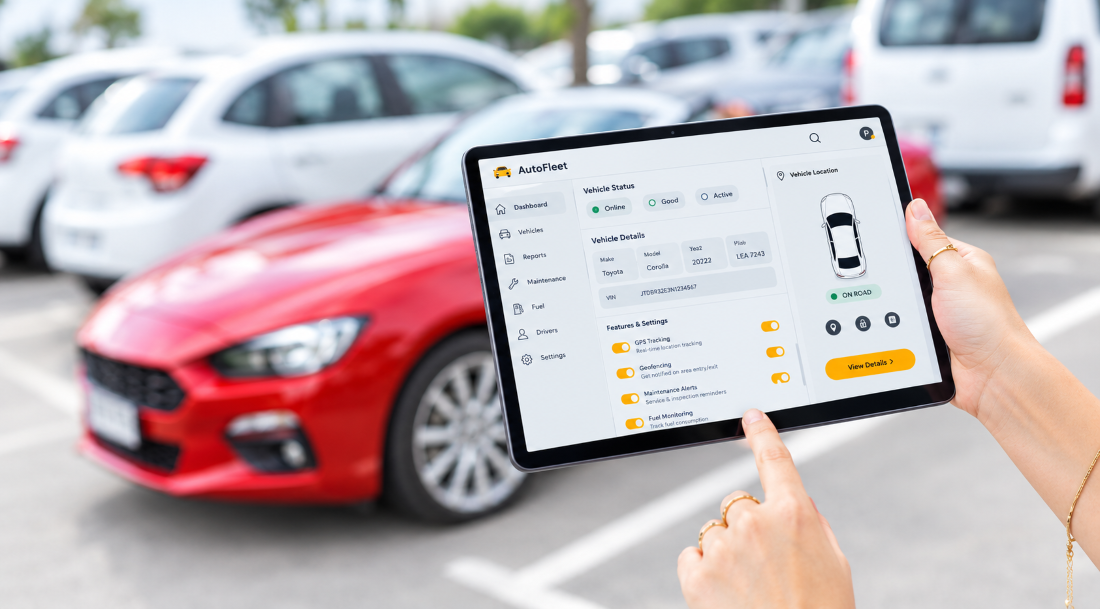
If you run a fleet in 2026, you already know that managing commercial vehicles feels like trying to keep a dozen spinning plates in the air at once. Fuel prices fluctuate, and maintenance delays disrupt deliveries. Moreover, customers expect visibility on every single shipment. As a result, relying on guesswork, paper logs, or basic spreadsheets is no longer just inconvenient; it is actively draining your operational profit margins.
Enter modern fleet management software. The industry has moved far beyond simple dots on a map. Today's connected platforms act as full-fledged central mission control centers for logistics operations.
So, whether you operate five delivery vans or oversee hundreds of regional freight trucks, adopting a robust fleet management system is the answer. It is the single fastest way to take control of your asset lifecycle, lower operating costs, and protect your bottom line. Let's break down what these systems look like in 2026, the features you cannot afford to skip, and the concrete return on investment (ROI) you can expect.
What Is a Fleet Management System in 2026?
At its core, a modern fleet management system is an integrated software platform powered by IoT sensors, telematics devices, and smart analytics. It aggregates raw operational data, everything from engine diagnostics and GPS location to driver behaviors and fuel levels, and converts it into actionable, real-time insights.
In the past, fleets used fragmented solutions: one tool for tracking, another for scheduling maintenance, and receipts stuffed into glove boxes for fuel logging. Moreover, in 2026, top-performing logistics teams rely on unified logistics software that integrates these workflows into a single dashboard.
The centerpiece powering this entire ecosystem is vehicle tracking software. By connecting directly to a vehicle's onboard diagnostic (OBD-II) port or CAN bus network, tracking software gives dispatchers and fleet directors total visibility over their mobile assets at any given second.
Core Features to Look for in 2026
Not all software is created equal. Therefore, if you are evaluating platforms this year, ensure the solution you choose includes these core capabilities:
Advanced GPS Fleet Tracking and Telematics
Basic location updates every few minutes do not cut it anymore. High-performance GPS fleet tracking delivers sub-second map refreshes, live geofencing, and intelligent trip history playbacks.
Therefore, when a customer calls to ask where their delivery is, dispatchers can send a one-click live tracking link instead of calling the driver. Moreover, geofencing alerts automatically log when a vehicle enters or exits a customer facility, warehouse, or delivery site. Hence, it reduces manual check-ins and eliminates disputes over wait times.
Smart Fuel Management System
Fuel remains one of the largest ongoing expenses for any commercial fleet. Therefore, a dedicated fuel management system works alongside your telematics to track actual fuel burn rates against distance traveled.
Theft & Pilferage Alerts: The system monitors fuel tank sensors in real time to instantly flag sudden drops in fuel levels when a vehicle is stationary.
Idling Controls: Unnecessary engine idling burns roughly a gallon of fuel per hour. However, software pinpoints excessive idle times, allowing you to coach drivers effectively.
Card Integration: Combining your fuel software with commercial fuel cards cross-references purchase locations with vehicle GPS coordinates, thus preventing unauthorized card usage.
Predictive Fleet Maintenance Software
Unplanned vehicle downtime wrecks delivery schedules and causes repair costs to skyrocket. However, modern fleet maintenance software turns reactive repairs into proactive upkeep.
Instead of tracking service intervals on a whiteboard or calendar, the system uses direct vehicle engine diagnostics to monitor odometer miles, engine hours, and diagnostic trouble codes (DTCs) in real time. Moreover, predictive algorithms flag component issues long before a breakdown happens on the highway. Automatic work orders and digital inspection forms ensure your preventative maintenance program runs like clockwork.
Driver Safety and Video Telematics
Safe drivers are profitable drivers. AI-powered video telematics and in-cab coaching devices evaluate driving patterns for risky behaviors, such as harsh braking, sudden acceleration, tailgating, or distracted driving.
Furthermore, automated driver scorecards allow fleet managers to gamify safety, rewarding top performers while delivering targeted training to high-risk operators. However, in the event of a false accident claim, stored video evidence protects your drivers and saves your business thousands in liability settlements.
Dynamic Route Optimization
Moving goods efficiently is the heart of effective logistics software. For instance, route optimization tools take into account real-time traffic jams, weather conditions, delivery time windows, and vehicle size constraints to generate the most efficient path forward. Cutting unnecessary miles directly reduces wear-and-tear and cuts fuel burn.
Key Benefits of Implementing Fleet Management Systems
Upgrading your telematics ecosystem creates immediate operational benefits across every department in your organization:
Operational Challenge | How Fleet Management Software Solves It | Resulting Business Benefit |
High Operational Costs | Automates route planning & monitors fuel wastage | Up to 15–30% drop in fuel spend |
Vehicle Downtime | Automated alerts based on OBD-II fault codes | 20–25% reduction in repair costs |
Dangerous Driver Habits | AI dashcams & real-time in-cab coaching | 30–40% fewer accidents and lower insurance rates |
Manual Administrative Tasks | Digital inspection logs & automated reporting | Hours saved per week for dispatchers and drivers |
Customer ETA Inquiries | Automated location sharing & precise geofencing | Improved customer trust and higher retention |
All in all, by streamlining operations with reliable vehicle tracking software, you eliminate operational bottlenecks, keep vehicles safer on the road, and empower your team to handle larger order volumes without adding administrative headcount.
Measuring ROI: Is Fleet Software Worth the Investment?
When investing in technology, business leaders want a clear answer: How quickly will this pay for itself?
In 2026, most fleet operators see full software return on investment (ROI) within 3 to 6 months. The financial gains come from direct cost reductions in four key categories:
1. Direct Fuel Savings
Given that fuel typically represents around 30% or more of total fleet operating expenses, cutting consumption by even 15% yields immediate cash flow improvements. Therefore, for a fleet of 20 vehicles spending $10,000 monthly on fuel, a 15% savings keeps $1,500 in your bank account every single month.
2. Reduced Maintenance & Labor Overtime
Preventative upkeep stops minor issues from turning into major transmission or engine failures. Additionally, optimized routing helps drivers complete their delivery routes faster during standard work hours, slashing costly overtime payouts.
3. Lower Insurance Premiums
Insurance companies love telematics. Many major commercial underwriters offer direct premium discounts (often between 10% and 20%) to fleets that install active vehicle tracking software and AI dashcams. So, when you factor in the protection against fraudulent insurance claims, the safety features alone frequently cover the monthly subscription cost of the platform.
Choosing the Right Vehicle Tracking Software for Your Fleet
The market is filled with software options, but finding the right fit for your business comes down to usability, reliability, and support.
Therefore, when comparing vendors, make sure you choose a platform that offers:
Plug-and-Play Hardware: Easy-to-install OBD-II devices or wired sensors that do not require days of vehicle downtime.
User-Friendly Mobile Apps: Intuitive interfaces for drivers to complete inspection reports, receive updated routes, and track their performance.
Seamless API Integrations: The ability to plug location and asset data into your accounting tools, ERPs, or custom dispatch software.
Scalable Pricing: Flexible pricing models that scale easily as your business grows from a few vehicles to a sprawling fleet.
Taking the Next Step Toward Fleet Efficiency
Managing a modern fleet is tough, but operating blindly without real-time data makes it virtually impossible. By equipping your business with advanced GPS fleet tracking, predictive maintenance, and dedicated fuel tools, you gain total control over your fleet's daily performance.
Our vehicle tracking software is engineered to deliver these capabilities in one simple, unified platform. By combining real-time GPS tracking with intuitive fuel, maintenance, and safety features, we help commercial fleets run cleaner, safer, and more profitably.