
AI Chatbots for Business: Use Cases, ROI, and How to Get Started
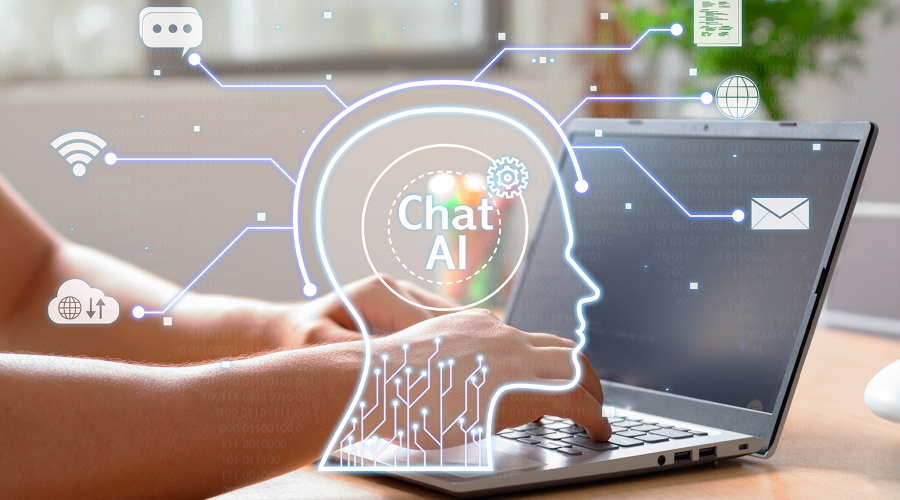
Imagine a sales representative who never sleeps, effortlessly speaks dozens of languages, processes orders instantly, and never takes a sick day.
Consequently, that is no longer a futuristic sci-fi concept. Modern automated assistants have evolved far beyond the rigid, frustrating decision trees of a few years ago. Driven by large language models (LLMs) and advanced natural language processing, today's artificial intelligence tools act as dynamic, highly intelligent extensions of your workforce.
So, whether you run a high-growth SaaS platform, a direct-to-consumer e-commerce brand, or a service enterprise, deploying an AI chatbot for business can dramatically transform how you acquire leads and serve customers.
Ultimately, if you are looking to lower operating costs, boost recurring revenue, and upgrade your digital user experience, here is your complete roadmap to understanding AI chatbot use cases, measuring true return on investment, and launching a solution that scales.
What is an AI Chatbot for Business?
To begin with, an AI chatbot for business is a software application designed to simulate human conversation through text or voice interactions. Unlike old-school rule-based bots that break the moment a user strays from a pre-written script, modern chatbots leverage conversational AI and NLP chatbot frameworks.
As a result, this technology allows the system to comprehend context, decipher human intent, recognize sentiment, and generate natural, personalized responses.
Furthermore, modern conversational tools do not just regurgitate canned responses. Using advanced techniques like Retrieval-Augmented Generation (RAG), an AI assistant can securely connect to your internal knowledge bases, product catalogs, and customer relationship management (CRM) systems.
Therefore, they can look up real-time account balances, modify pending orders, qualify sales leads, and seamlessly route complex edge cases directly to live human agents.
Key High-Impact Use Cases Across Your Business
Specifically, deploying conversational automation across multiple touchpoints turns every customer interface into an efficient growth channel.
1. 24/7 Support and Ticket Reduction
First and foremost, the primary business case for customer support automation lies in quickly resolving routine, high-volume queries. Questions regarding order tracking, refund policies, password resets, and subscription management often consume more than half of a support team’s daily bandwidth.
By implementing an intelligent support bot, you can handle these repetitive tasks instantly. Consequently, wait times drop to zero, allowing your support personnel to focus entirely on resolving high-value, complex customer issues.
2. Lead Generation and Automated Qualification
In addition, static contact forms are quickly fading out. A dedicated lead generation chatbot initiates proactive, engaging conversations the moment a prospective customer lands on your high-intent pages.
By asking strategic qualification questions, assessing budget and timeline, and capturing contact details in real time, these systems effectively convert passive website traffic into warm sales prospects. Moreover, they can integrate directly with calendar tools to book sales demos automatically.
3. Omnichannel Engagement via WhatsApp Business
Meanwhile, your buyers are already using mobile messaging applications on a daily basis. Integrating a WhatsApp business bot expands your operational reach directly into your customers' preferred communication channels.
From sending transaction confirmations and appointment reminders to offering interactive product selections inside the chat interface, WhatsApp automation enables conversational commerce at scale.
Use Case Category | Primary Business Benefit | Key Feature / Tech Required |
Customer Support | 30–60% reduction in ticket volume | RAG & Knowledge Base Integration |
Lead Generation | Higher form-to-lead conversion rates | CRM Sync & Calendar Booking |
E-Commerce Sales | Lower cart abandonment rate | Real-time Product Catalog Search |
Messaging Apps | High open & conversion rates | WhatsApp / Social API Integration |
Measuring the ROI: The Business Math Behind Chatbots
Beyond operational efficiency, investing in automation is a financial strategy designed to protect profit margins and accelerate growth.
In practice, the financial return on an AI chatbot for business typically stems from three direct sources:
Direct Cost Reduction: Traditional live-agent support interactions cost between $6.00 and $15.00 per ticket. On the other hand, a well-engineered AI chatbot handles the same inquiry for approximately $0.50 to $0.70. Resolving 60% to 70% of routine inquiries via automated software delivers immediate operating savings.
Accelerated Sales Conversion: Speed to lead dictates close rates. Responding to an inbound inquiry in under 60 seconds drastically improves qualification rates. Therefore, automated assistants engage visitors when interest peaks, yielding measurable increases in overall pipeline value.
Operational Scalability: Chatbots handle hundreds of simultaneous conversations without performance drops. As a result, as your customer inquiry volume grows, your operations scale smoothly without requiring a proportional rise in support headcount.
Overall, for these reasons, most companies achieve full payback on custom AI chatbot solutions within 3 to 6 months of launch.
How to Get Started: From Strategy to Deployment
However, launching a successful chatbot requires an intentional, step-by-step methodology to ensure long-term stability.
Step 1: Audit Your Inquiries and Define Clear Goals
To begin with, avoid trying to automate every single process on day one. First, review your recent support tickets, live chat transcripts, and email inquiries. Next, identify the top 10 to 20 repetitive questions that consume the majority of your team's energy. Naturally, these form the core dataset for training your initial conversational model.
Step 2: Select the Right Technology Stack
Subsequently, you must choose your technology stack. While basic website widgets can work for standalone FAQ scripts, fast-growing companies and enterprise teams quickly outgrow disjointed tools due to security limits, rigid templates, and poor data synchronicity.
In contrast, if your implementation requires bespoke business logic, strict data privacy, enterprise workflow management, or real-time database sync, selecting an architecture built for deep software integrations is undoubtedly the best path forward.
Step 3: Implement Seamless Human Handoff Rules
Finally, even the best NLP chatbot will occasionally encounter scenarios beyond its trained scope. Therefore, design clear fallback triggers that gracefully pass conversations to human support agents alongside the full transcript context. Ultimately, a smooth handoff protects customer trust and prevents user frustration.
Why WhatsApp CRM Integration Powerfully Accelerates Business Growth
To maximize the commercial impact of your AI assistant, your chatbot cannot exist on an island. It must sit directly where your audience already spends their time and seamlessly connect to your core sales platform. This is precisely why a native WhatsApp CRM integration serves as the ultimate foundation for conversational business.
Here is how unifying WhatsApp automation with your CRM elevates your operations:
Unify All Customer Conversations in One Place: Without a centralized setup, crucial customer messages on WhatsApp get lost on individual employee phones. However, a proper WhatsApp CRM setup centralizes every chat, inquiry, and interaction into a single timeline. Thus, ensuring that your sales and support teams have total context.
Turn Every Incoming Chat into an Actionable Lead: When a potential buyer reaches out via a WhatsApp business bot, integrated systems instantly capture their details, tag their preferences, and log them into your sales pipeline without any manual data entry.
Run Personalized Messaging Campaigns at Scale: Instead of sending blast communications that feel spammy, an integrated setup lets you run targeted, dynamic campaigns directly within WhatsApp. For instance, you can trigger personalized follow-ups, payment links, or appointment reminders based on real-time CRM updates.
Complete Data Synchronization and Team Alignment: Furthermore, every reply, lead qualification score, or resolved ticket logged by your AI chatbot updates your central CRM database instantly. So, if a conversation escalates to a human rep, your sales team can jump in with full access to previous interaction histories.
Accelerate Your AI Automation Journey
In conclusion, integrating an AI chatbot for business is no longer just a trend. It is a core strategy for modern digital customer experiences. By combining conversational AI with custom software design, you can automate manual workflows and lower operating costs.
So, whether you need a dedicated lead generation chatbot, a specialized customer support automation system, or a high-volume WhatsApp business bot, our team is here to help.
Specifically, we specialize in end-to-end WhatsApp CRM integration, helping businesses convert high-intent messages into structured leads, automated sales workflows, and long-term customer loyalty.